
Foundation
Full account and campaign architecture
Ground-up build covering territories, services, devices and intent levels so the reporting clearly shows where profitable work comes from.

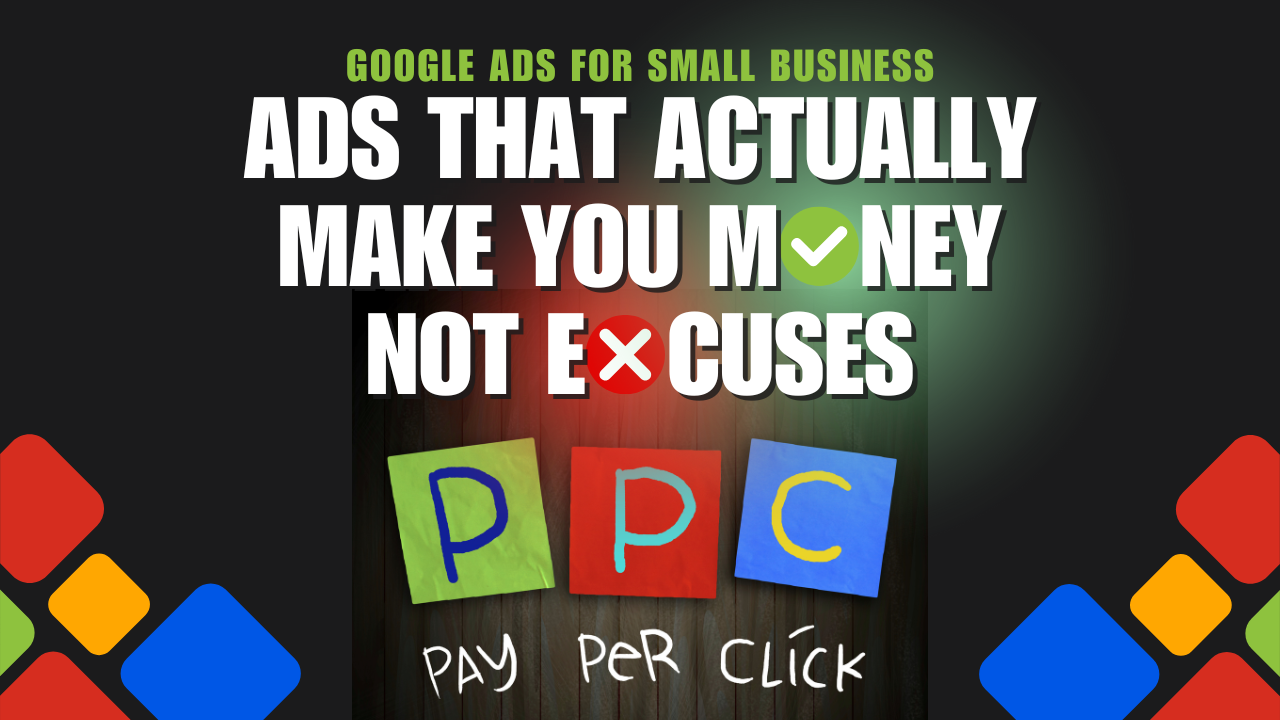
Finally, a system that protects your ad spend, respects your margins and gives you control over your pipeline.
Google Ads is confusing when it feels like a guessing game. A business owner clicks “go” and hopes the right people see the ads. But hope is not a plan.
Here is a simpler way to see it:
Google Ads is a place where people search for help. If someone types “kitchen installer near me”, that person is already looking for the exact service a business offers.
A PPC engine takes those real searches and turns them into steady enquiries. It does this by:
The goal is simple: Turn Google searches into steady, profitable enquiries without the stress of “guess and hope”.
Get your PPC performance planA simple example: when £1.5k goes into the right searches, it can often turn into around £40k in quoted work. Not magic, just matching real searches with real services and tracking every step.
This model is built so ad spend feels safe and sensible. A single setup payment builds the engine. After that, ongoing costs are tied to real enquiries, not to time sheets or long reports.
The aim is simple: Google Ads should behave like a controlled acquisition engine, not a monthly donation to a platform. The fee structure reflects that.
The downside is limited and defined in advance. The upside is more of the right projects on demand.
Ground-up build covering territories, services, devices and intent levels so the reporting clearly shows where profitable work comes from.
High intent searches such as “google ads for local businesses” sit alongside purchase-ready phrases, designed to reduce blended CPC and improve lead quality.
Page structures, proof prompts and CTA prompts that move a visitor from “just looking” to ready to enquire without adding design complexity.
GA4, Tag Manager and call tracking configured so every enquiry has a clear source and every click has a reason to exist.
Bid adjustments, negatives, headline tests and budget shifts focused purely on hitting cost-per-enquiry and protecting margins.
Simple templates and optional automations so every new enquiry receives a fast, professional response and moves towards a quote or site visit.
Straight-talk dashboards that answer three questions: what went in, what came out, and what changes next week.
Simple offer structures and add-ons that let each new enquiry carry more potential revenue without pressuring the prospect.
Lead flow, close rates, average project values and capacity are gathered to set a realistic performance benchmark and define what “good” looks like.
Campaigns, tracking and dashboards are created so every call, message and form has a source, and every click is traceable from search term to enquiry.
Campaigns go live, negatives are added, budgets are shifted and hooks are tested until cost-per-enquiry settles inside the agreed target range.
Once campaigns deliver profitable work consistently, the engine scales the winning parts and cuts or rewrites anything that fails to earn its keep.
Most campaigns get the basics: bids, budgets and a few loose keywords. The real gains come from small, deliberate tweaks that protect spend and send more of the right people to the right page. This is where an “always-learning” PPC engine does the heavy lifting.
A lot of accounts show the same ad everywhere and let Google “work it out”. A more precise approach trims waste first.
Clicks and form fills look good in a dashboard, but bank accounts care about actual jobs booked and invoices paid.
Searchers spot stale ads quickly. Small updates keep attention high without rebuilding everything from scratch.
Takes around two minutes. This helps us analyse your market, your numbers and whether this performance model will work profitably for your business. No payment required.

A few more details about goals, margins and service areas are often enough to confirm whether this PPC engine is a strong fit.
 |
HOME PRIVACY POLICY TERMS & CONDITIONS COOKIES POLICY EULA |